What should you do once you know a manufactured home was moved?
Tell your lender, gather the records you have, and get the lender's report requirement in writing. A move does not by itself decide whether a loan is possible, so do not assume the worst or the best.
The steps at a glance:
| Step | What to do | What it needs |
|---|---|---|
| 1. Tell the people involved | Your lender first, then the title company and the agent if they are involved | What you know and what you do not |
| 2. Gather records | Collect what exists and mark what is missing | Addresses, the approximate move date and its source, identifying records, transport, installation, permit, or setup records, earlier reports and repairs, additions or alterations |
| 3. Get the report requirement | Ask the lender to put it in writing | Whether the file needs a structural integrity report, a foundation certification, or both |
| 4. Send it to us | Send what you have | The address, the lender's wording, the move history you have, an access contact, and your deadline |
Step one: who needs to know?
Your lender, first. Then the title company and the agent, if they are involved. Say what you know and what you do not. Our guide on why a lender cares explains what the lender is thinking.
Step two: what do you gather?
- The current address and the earlier one, if documented.
- The approximate move date and the source of that date.
- Manufacturer, model, and other identifying records.
- Transport, installation, permit, or setup records.
- Earlier engineering reports and repair records.
- Details of additions or alterations.
Mark what is missing. Do not make up dates.
Step three: what report might be asked for?
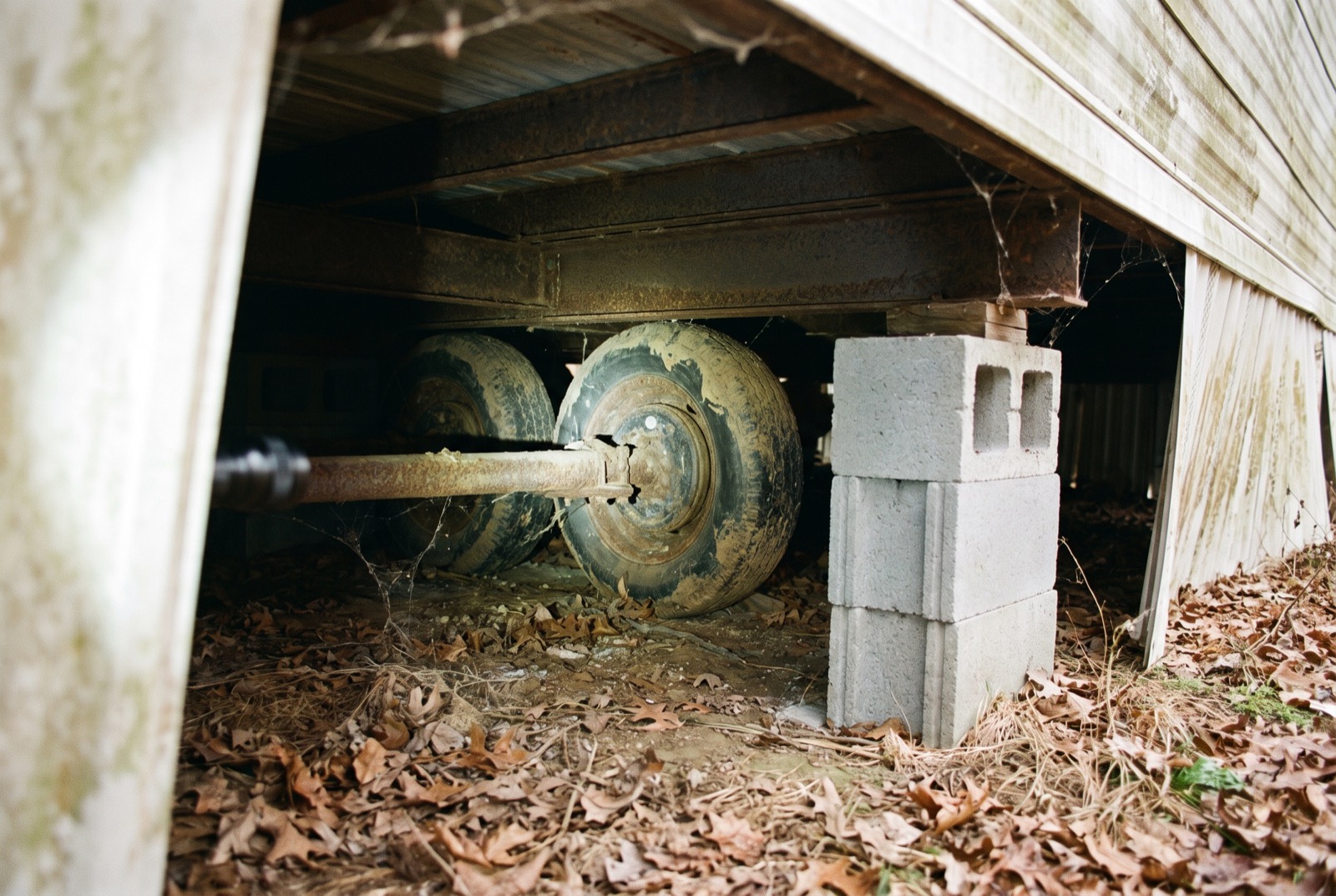
A lender may ask for a structural integrity report from a Professional Engineer. It answers whether the home was damaged, altered, or weakened when it moved. The engineer looks at the frame and chassis, the connections between sections of a multi-section home, and the piers, footings, anchors, and tie-downs at the current site.
A foundation certification is a different document that addresses a specific foundation standard. Some files need one, some need both, and your lender decides.
What if the move was years ago?
It is still a reportable condition. We document the current installation and any visible evidence of damage, alteration, or settlement from the move.
What if the report finds problems?
Ask the engineer what further information or work is needed, and get the cost in time and money before you authorize anything. Paying for a report does not guarantee a favorable result. The lender separately decides whether the documentation meets its requirement.
Step four: what do you send us?
The address, the lender's wording, the move history you have, an access contact, and your deadline. Reports are signed by an engineer licensed in the state where the home sits: Missouri, Arkansas, Illinois, Kansas, Iowa, Nebraska, or Indiana.
Ready to move forward?
Our structural integrity report covers the visit and the signed PDF. Send us the address and your lender's request. We reply within one business day.
Sources
- Freddie Mac, Guide Bulletin 2026-12: Selling Updates: A lender may ask for a Professional Engineer to verify the structural integrity of a home moved from another site
- HUD, Mortgagee Letter 2009-16: Manufactured Housing Policy Guidance: A foundation certification is a separate document that attests to compliance with a specific foundation standard